

Fractures are one of the most common orthopaedic injuries and can affect people of all ages. They may occur due to road traffic accidents, workplace injuries, sports activities, falls at home, or age-related bone weakness. While some fractures are obvious, others may appear mild initially but can worsen if left untreated. Understanding when to seek immediate orthopaedic care plays a crucial role in proper healing and long-term recovery.
What Is a Fracture
A fracture is a break or crack in the bone that occurs when the force applied exceeds the bone’s strength. Fractures can range from small cracks to complete breaks and may involve surrounding joints, muscles, or nerves. Early diagnosis helps prevent complications such as deformity, delayed healing, or chronic pain.
Common Types of Fractures
Fractures vary based on the nature of injury and bone condition. Common types include:
- Simple fractures where the bone breaks cleanly
- Compound fractures where the bone pierces the skin
- Comminuted fractures involving multiple bone fragments
- Stress fractures caused by repetitive strain
- Fragility fractures in elderly patients with weak bones
Each type requires a different treatment approach depending on severity and patient factors.
Signs and Symptoms of a Fracture
Recognising fracture symptoms early can prevent further damage. Warning signs include:
- Intense pain at the injury site
- Swelling or bruising
- Visible deformity or abnormal movement
- Difficulty bearing weight or using the limb
- Numbness or tingling in severe cases
Ignoring these symptoms may lead to improper bone healing.
When to Seek Immediate Orthopaedic Care
Immediate medical attention is required if there is severe pain, visible deformity, open wounds, or inability to move the affected part. Elderly patients, children, and accident victims should seek prompt evaluation even if pain appears manageable.
Fracture Treatment Approach
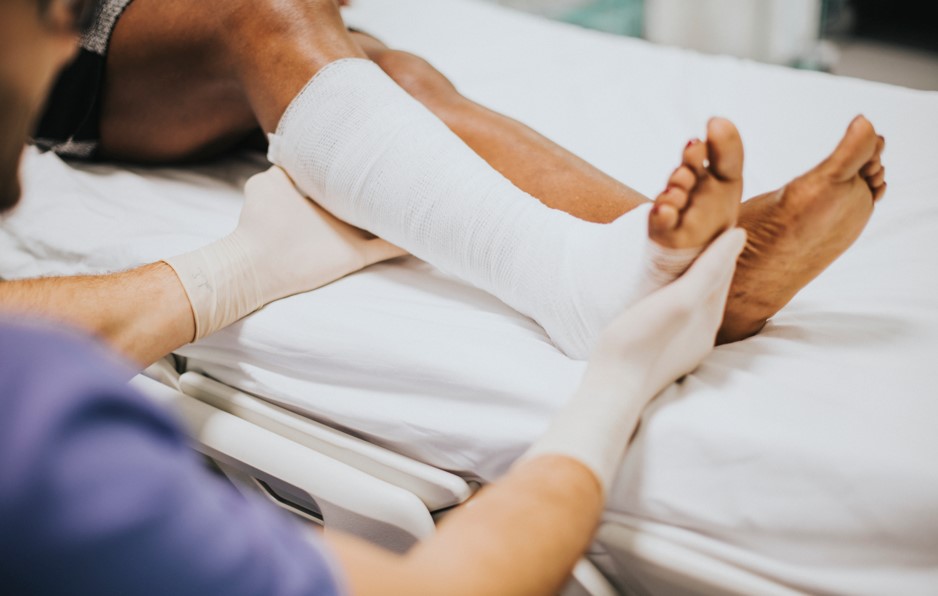
At Dr. John Arthur Ortho Clinic & Hospital, Avadi, fracture care focuses on restoring bone alignment and function. Treatment options include conservative casting, bracing, or surgical fixation when required. Each patient receives a personalised recovery plan with structured follow-up and rehabilitation.
Early diagnosis and proper treatment ensure safe healing and help patients return to normal activities with confidence.
Contact 07305989799 to book your appointments.