

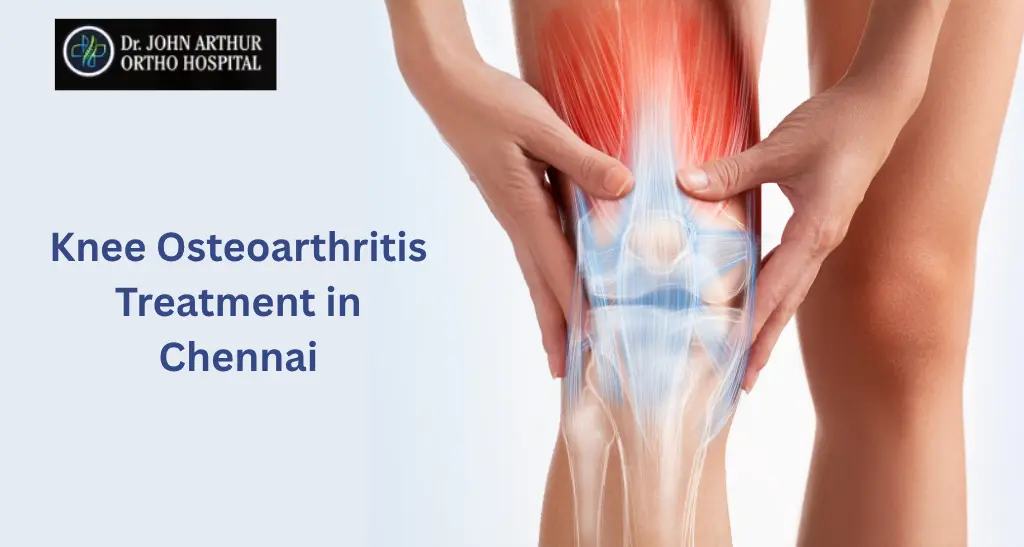
Knee pain is often dismissed as a normal part of ageing, but persistent pain, stiffness, swelling, or difficulty walking can be signs of knee osteoarthritis. Osteoarthritis is one of the most common causes of chronic knee pain and can gradually affect a person’s mobility and quality of life.
If you are looking for knee osteoarthritis treatment in Chennai, understanding the condition and available treatment options is an important first step. Depending on the severity of arthritis, treatment can range from lifestyle changes, exercise and physiotherapy to medications, injections and, in advanced cases, knee replacement surgery.
Dr. John Arthur Ortho Hospital in Avadi, Chennai provides comprehensive Orthopaedic care for patients with knee arthritis and other joint conditions, with treatment plans tailored to the individual’s symptoms, mobility, age, activity level, and overall health.
What is Knee Osteoarthritis?
Knee osteoarthritis is a degenerative joint condition in which the cartilage that cushions the ends of the bones inside the knee gradually wears down.
The knee joint consists of the thigh bone (femur), shin bone (tibia), and kneecap (patella). Healthy cartilage allows these surfaces to move smoothly against each other.
As osteoarthritis progresses, the cartilage can become thinner and damaged. This may result in increased friction within the joint, pain, stiffness, reduced movement, and difficulty performing everyday activities.
Although osteoarthritis is more common with increasing age, it can also affect younger people, particularly following previous knee injuries or due to other risk factors.
What Causes Knee Osteoarthritis?
There is usually no single cause of knee osteoarthritis. Several factors can contribute to the development and progression of the condition.
Common risk factors include:
- Increasing age
- Previous knee injuries
- Ligament or meniscus injuries
- Previous knee surgery
- Excess body weight
- Repetitive stress on the knee
- Certain occupational activities
- Joint alignment problems
- Family history of osteoarthritis
- Other joint conditions
A previous sports injury or fracture involving the knee can also increase the risk of developing arthritis later in life.
Common Symptoms of Knee Osteoarthritis
Symptoms can develop gradually and may initially be mild.
Common symptoms include:
- Knee pain during walking
- Pain while climbing or descending stairs
- Knee stiffness after sitting for a long time
- Morning stiffness
- Swelling around the knee
- Difficulty bending or straightening the knee
- A grinding or clicking sensation
- Reduced walking distance
- Knee weakness
- Feeling that the knee may give way
- Difficulty getting up from a chair
As osteoarthritis progresses, pain may become more frequent and can eventually occur even during periods of rest.
When Should You See an Orthopaedic Doctor?
Occasional knee discomfort may not always indicate arthritis, but persistent symptoms should be evaluated.
Consider consulting an Orthopaedic specialist if:
- Knee pain persists for several weeks
- Pain is affecting your daily activities
- You have difficulty climbing stairs
- You are avoiding walking because of knee pain
- The knee repeatedly becomes swollen
- Your knee movement has become restricted
- Pain is affecting your sleep
- The knee feels unstable
- Pain is progressively getting worse
Early evaluation can help identify the cause of knee pain and allow treatment to begin before mobility becomes significantly affected.
How is Knee Osteoarthritis Diagnosed?
Diagnosis usually begins with a detailed medical history and physical examination.
Your Orthopaedic doctor may assess:
- Location and severity of pain
- Knee movement
- Joint tenderness
- Swelling
- Stability of the knee
- Muscle strength
- Walking pattern
- Previous injuries or surgeries
Imaging such as an X-ray may be recommended to assess changes within the joint. In certain situations, additional investigations may be required to evaluate other structures or rule out alternative causes of pain.
An accurate diagnosis is important because not every case of knee pain is caused by osteoarthritis.
Knee Osteoarthritis Treatment in Chennai
There is no single treatment that is suitable for every patient with knee osteoarthritis.
Treatment depends on factors such as:
- Severity of arthritis
- Age
- Weight
- Activity level
- Pain intensity
- Range of movement
- Overall health
- Impact on daily activities
Treatment may involve one or a combination of approaches.
Non-Surgical Treatment for Knee Osteoarthritis
Non-surgical treatment is often considered first, particularly when symptoms are mild to moderate.
1. Exercise and Physical Activity
Regular, appropriate exercise is one of the most important components of managing knee osteoarthritis.
Exercise can help:
- Strengthen the muscles supporting the knee
- Improve flexibility
- Maintain joint movement
- Improve balance
- Support healthy body weight
- Improve overall physical function
The type and intensity of exercise should be appropriate for the individual’s condition.
Exercises That May Help Knee Osteoarthritis
Depending on your condition, a physiotherapist or Orthopaedic specialist may recommend:
- Quadriceps strengthening exercises
- Straight-leg raises
- Hamstring stretches
- Calf stretches
- Gentle knee-bending exercises
- Stationary cycling
- Swimming
- Water-based exercises
- Low-impact walking
High-impact activities may need to be reduced if they significantly increase pain.
It is important not to start an intensive exercise program without understanding the condition, particularly when there is significant pain or joint instability.
2. Weight Management
Excess body weight can increase the mechanical load placed on the knee during everyday activities.
For people who are overweight, gradual and sustainable weight loss can help reduce stress on the knee and may improve mobility and pain.
A combination of appropriate physical activity and a balanced diet can support long-term weight management.
3. Physiotherapy
Physiotherapy can be an important part of knee osteoarthritis management.
A customized rehabilitation program may include:
- Muscle strengthening
- Flexibility exercises
- Range-of-motion exercises
- Balance training
- Gait training
- Activity modification
The goal is to improve strength and function while helping the patient remain as active as possible.
4. Pain-Relieving Medication
Depending on the patient’s medical history and symptoms, a doctor may recommend appropriate pain-relieving or anti-inflammatory medication.
Medication should not be taken regularly without medical advice, particularly in older adults or people with other medical conditions.
5. Assistive Devices
Some patients may benefit from supportive devices such as:
- Walking sticks
- Braces
- Orthotic devices
- Appropriate footwear
These should be recommended based on the individual’s condition rather than used without professional guidance.
Injections for Knee Osteoarthritis
When pain continues despite lifestyle changes, exercise, physiotherapy, and medication, an Orthopaedic specialist may discuss injection-based treatments.
Depending on the patient’s condition, options may include:
Corticosteroid Injections
These injections may provide short-term relief from pain and inflammation in selected patients.
Hyaluronic Acid Injections
Hyaluronic acid injections may be considered in certain cases. Their effectiveness can vary between individuals, so the decision should be made after discussing potential benefits and limitations with an Orthopaedic specialist.
Other Injection-Based Treatments
Other injectable treatments may be considered depending on the patient’s condition and current clinical evidence.
Injections are generally used as part of a broader treatment plan rather than as a permanent solution for advanced cartilage damage.
Surgical Treatment for Knee Osteoarthritis
When osteoarthritis becomes advanced and significantly affects mobility and quality of life, surgery may be considered.
Surgery is generally discussed when:
- Pain is severe or persistent
- Daily activities have become difficult
- Non-surgical treatment is no longer providing adequate relief
- Knee movement is significantly restricted
- Arthritis has progressed substantially
- Pain is affecting sleep and quality of life
The appropriate procedure depends on the extent and location of joint damage.
Knee Replacement Surgery
Total Knee Replacement is one of the established surgical treatments for advanced knee osteoarthritis.
During knee replacement surgery, damaged surfaces of the knee joint are removed and replaced with artificial components designed to restore joint function.
Knee replacement may help suitable patients:
- Reduce chronic knee pain
- Improve walking ability
- Improve knee movement
- Perform daily activities more comfortably
- Improve overall quality of life
The decision to undergo knee replacement should be based on symptoms, clinical examination, imaging findings, overall health, and how significantly the condition affects daily life.
Partial Knee Replacement
In selected patients where arthritis is limited to a specific compartment of the knee, partial knee replacement may be an option.
Not every patient is suitable for this procedure. An Orthopaedic assessment is required to determine whether the disease pattern and knee condition are appropriate.
What Happens After Knee Replacement Surgery?
Recovery continues well beyond the operation.
A typical rehabilitation program may involve:
- Early movement
- Physiotherapy
- Quadriceps strengthening
- Walking practice
- Gradual improvement in range of motion
- Pain management
- Regular follow-up appointments
The recovery timeline varies from patient to patient and depends on factors such as age, general health, muscle strength, activity level, and adherence to rehabilitation.
Diet for Knee Osteoarthritis
There is no specific food that can reverse osteoarthritis or rebuild damaged cartilage. However, maintaining a balanced and nutritious diet can support overall health, healthy body weight, muscle strength, and recovery.
Include a variety of:
Protein-Rich Foods
Protein supports muscle maintenance and repair.
Sources may include:
- Eggs
- Fish
- Lean meat
- Milk and curd
- Paneer
- Dal
- Beans
- Lentils
- Nuts and seeds
Fruits and Vegetables
A variety of fruits and vegetables provides essential vitamins, minerals, fibre, and other nutrients.
Examples include:
- Leafy greens
- Carrots
- Tomatoes
- Berries
- Oranges
- Guava
- Papaya
- Other seasonal fruits and vegetables
Calcium and Vitamin D Sources
Bone health is also important for maintaining overall musculoskeletal health.
Calcium-rich foods may include:
- Milk
- Curd
- Paneer
- Ragi
- Sesame seeds
- Certain leafy vegetables
Vitamin D can be obtained through sunlight exposure and dietary sources, with supplementation considered when medically appropriate.
Healthy Fats
Foods containing unsaturated fats can be part of a balanced diet.
Examples include:
- Nuts
- Seeds
- Fish
- Olive oil
- Other healthy plant-based oils
Foods to Limit
There is no universal “arthritis diet,” but reducing excessive consumption of highly processed foods, sugary drinks, and foods high in added sugars can support overall health and weight management.
If you have other medical conditions such as diabetes, kidney disease, or heart disease, your dietary requirements may be different. A qualified healthcare professional or dietitian can provide individualized advice.
Lifestyle Changes That Can Help
Managing knee osteoarthritis is not only about medication or surgery.
Simple lifestyle changes can make a meaningful difference.
Stay Physically Active
Avoid becoming completely inactive because of knee pain. Appropriate low-impact activity can help maintain muscle strength and mobility.
Avoid Prolonged Sitting
Take regular movement breaks if you spend long periods sitting.
Choose Supportive Footwear
Comfortable footwear can make walking more manageable and reduce unnecessary stress on the lower limbs.
Maintain a Healthy Weight
If you are overweight, gradual weight reduction can reduce the load on the knee and support mobility.
Follow Your Rehabilitation Program
Consistency with physiotherapy and prescribed exercises is particularly important after surgery and during recovery.
Can Knee Osteoarthritis Be Cured?
Osteoarthritis is a chronic degenerative condition, and currently there is no treatment that can reliably restore completely normal cartilage once significant cartilage loss has occurred.
However, symptoms can often be managed effectively.
Depending on the stage of osteoarthritis, appropriate treatment may help:
- Reduce pain
- Improve mobility
- Strengthen supporting muscles
- Maintain independence
- Improve quality of life
- Delay or avoid surgery in some patients
For advanced arthritis, knee replacement may provide significant improvement for appropriately selected patients.
Why Choose Dr. John Arthur Ortho Hospital for Knee Osteoarthritis Treatment in Chennai?
Dr. John Arthur Ortho Hospital in Avadi provides comprehensive Orthopaedic care for patients with knee pain, arthritis, sports injuries, fractures, spine conditions, and other musculoskeletal problems.
The hospital focuses on evaluating each patient individually before recommending a treatment plan.
Depending on the condition, patients may receive guidance on:
- Non-surgical knee pain management
- Exercise and physiotherapy
- Lifestyle modification
- Medication
- Injection-based treatments
- Surgical options
- Knee replacement
- Post-operative rehabilitation
The aim is to help patients understand their condition and choose an appropriate treatment pathway based on their individual needs.
Expert Orthopaedic Care by Dr. Peter Ponniah Jesudass
Patients at Dr. John Arthur Ortho Hospital can consult Dr. Peter Ponniah Jesudass, an experienced Orthopaedic Surgeon.
His approach involves evaluating the patient’s symptoms, clinical findings, lifestyle, and functional limitations before determining the appropriate treatment strategy.
For knee osteoarthritis, treatment does not necessarily mean surgery. Depending on the severity of the condition, patients may first be guided towards appropriate non-surgical options. When surgery becomes necessary, the patient can be evaluated for the most suitable surgical approach.
Serving Patients Across Chennai
Located in Avadi, Dr. John Arthur Ortho Hospital is accessible to patients from several parts of Chennai and surrounding areas, including:
- Avadi
- Poonamallee
- Pattabiram
- Thirumullaivoyal
- Ambattur
- Mogappair
- Villivakkam
- Other parts of Chennai
This makes the hospital a convenient option for patients seeking knee osteoarthritis treatment in Chennai.
When Is Knee Replacement Necessary?
Knee replacement is not automatically required when a person is diagnosed with osteoarthritis.
It may be considered when:
- Knee pain is persistent and significantly affects daily life.
- Non-surgical treatments have not provided sufficient relief.
- Arthritis has progressed considerably.
- Walking and routine activities have become difficult.
- Pain is affecting sleep and overall quality of life.
- Clinical examination and imaging support the need for surgery.
The final decision should always be made after an individual assessment by an Orthopaedic specialist.
Take the First Step Towards Better Knee Health
Knee osteoarthritis does not have to mean giving up an active lifestyle. With early evaluation, appropriate exercise, weight management, physiotherapy, medication, and other treatments, many patients can manage their symptoms and maintain mobility.
For advanced arthritis, surgical options such as knee replacement can provide significant pain relief and improve function in appropriately selected patients.
If you are experiencing persistent knee pain and are looking for knee osteoarthritis treatment in Chennai, consult the Orthopaedic team at Dr. John Arthur Ortho Hospital, Avadi.
With expert evaluation, personalized treatment, and rehabilitation support, the goal is simple: help you move better, stay independent, and get back to the activities that matter to you.
Frequently Asked Questions About Knee Osteoarthritis
What is the best treatment for knee osteoarthritis?
There is no single best treatment for everyone. Treatment depends on the severity of arthritis and may include exercise, physiotherapy, weight management, medication, injections, or surgery.
Can exercise help knee osteoarthritis?
Yes. Appropriate strengthening, flexibility, and low-impact exercises can improve muscle strength, mobility, and physical function. Exercise should be tailored to the individual’s condition.
Can diet cure knee osteoarthritis?
Diet cannot cure osteoarthritis or restore severely damaged cartilage. However, a balanced diet can support healthy body weight, muscle health, and overall wellbeing.
Is knee replacement the only treatment for severe knee arthritis?
Not necessarily. Treatment decisions depend on symptoms, examination, imaging, and the individual’s overall health. Knee replacement may be considered when severe symptoms significantly affect quality of life and non-surgical treatments are no longer sufficient.
At what age does knee osteoarthritis occur?
Knee osteoarthritis becomes more common with age, but it can occur in younger people, particularly following injuries, previous surgery, or other risk factors.
Where can I get knee osteoarthritis treatment in Chennai?
Dr. John Arthur Ortho Hospital in Avadi provides comprehensive Orthopaedic evaluation and treatment for knee osteoarthritis, including non-surgical management, rehabilitation, and surgical options such as knee replacement when clinically appropriate.